
Anime Art Styles Guide
All 15 Styles Explained
Anime is not a single visual style. It spans dozens of distinct aesthetics — each with its own visual grammar, emotional tone, and subject matter. This guide covers all 15 styles available on Anime AI Generator.
Natural & Contemplative
1. Ghibli
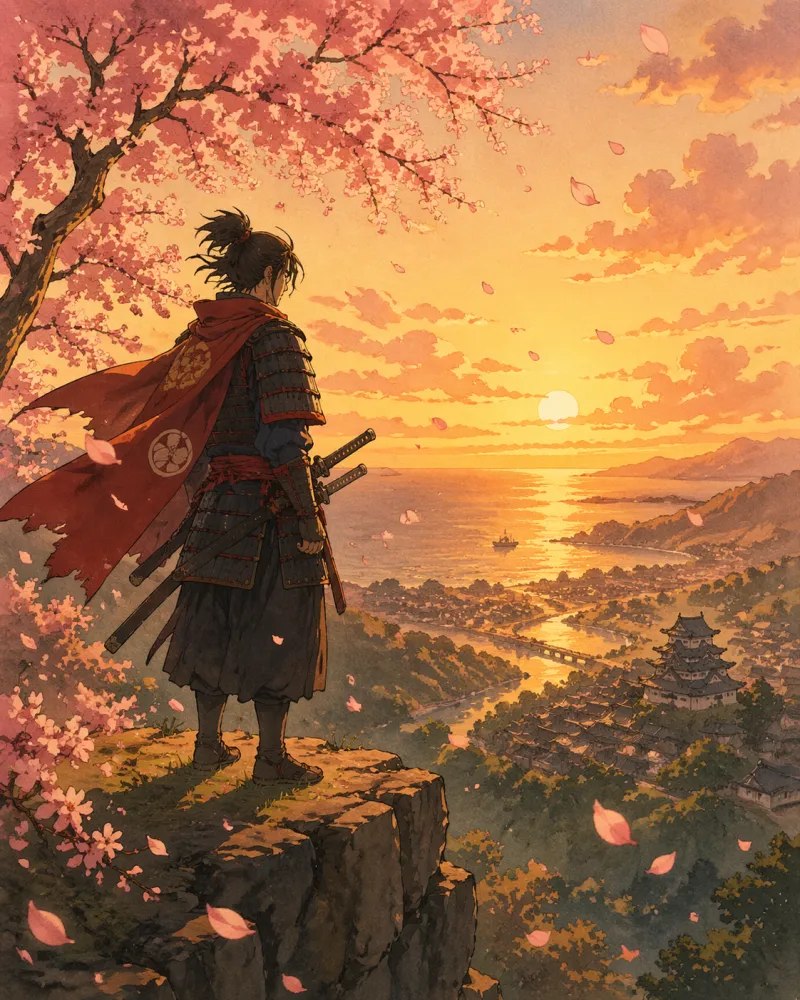
Studio Ghibli's visual language: warm, painterly naturalism with soft lighting, dense environmental detail, and emotionally expressive character design. Backgrounds rendered like landscape paintings, character linework kept clean and readable.
2. Watercolor
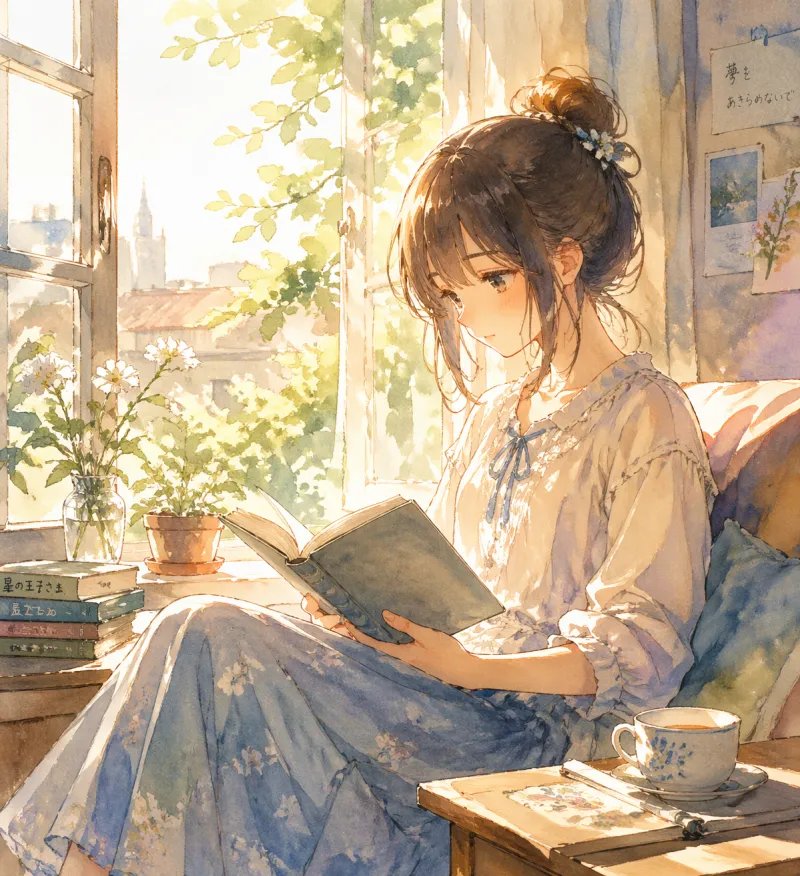
Translucent, wet-edged washes of pigment in a digital anime context. Colors bleed and bloom. Edges are soft. Light passes through rather than reflecting off surfaces. Dreamy, intimate, and nostalgic.
3. Minimal
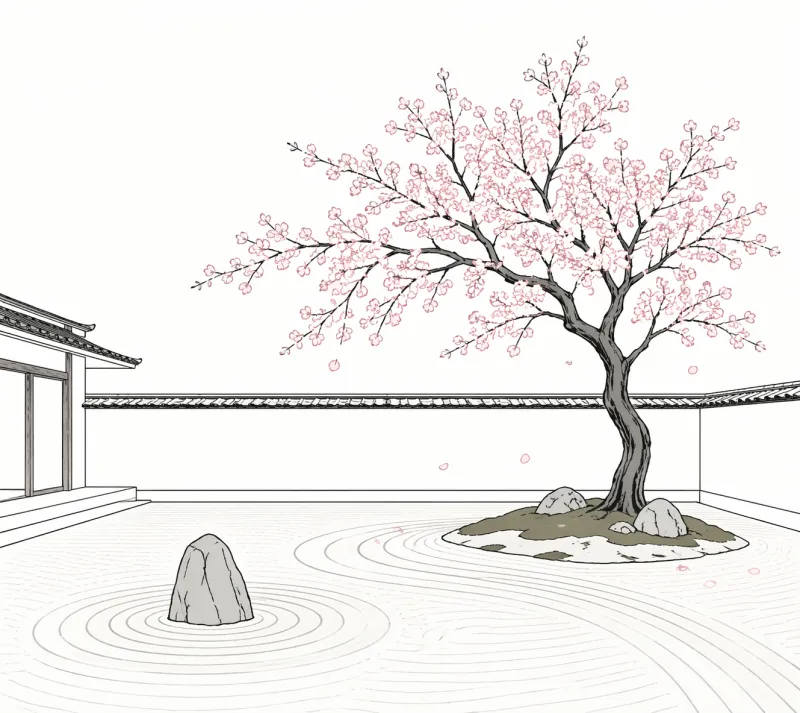
Zen sensibility applied to anime: clean linework, deliberate negative space, compositional restraint. Every element earns its place in the frame.
Urban & Futuristic
4. Cyberpunk
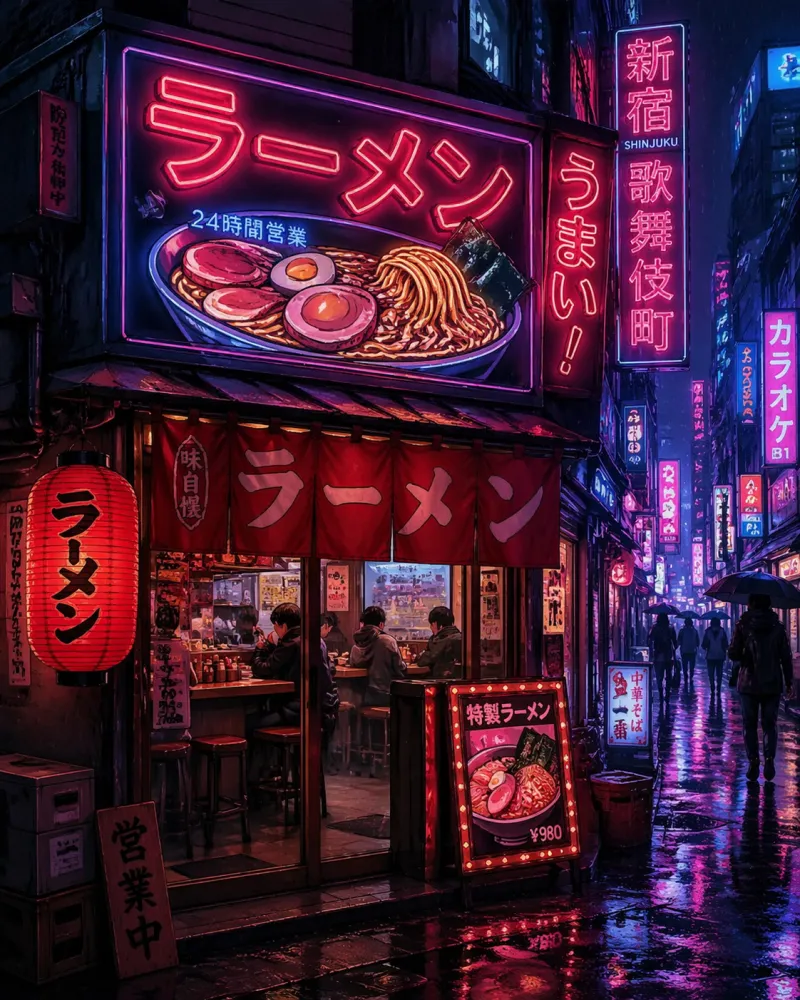
Neon light against wet surfaces, vertical density of architecture, tension between high technology and human vulnerability. Saturated scenes in magenta, cyan, and amber neon.
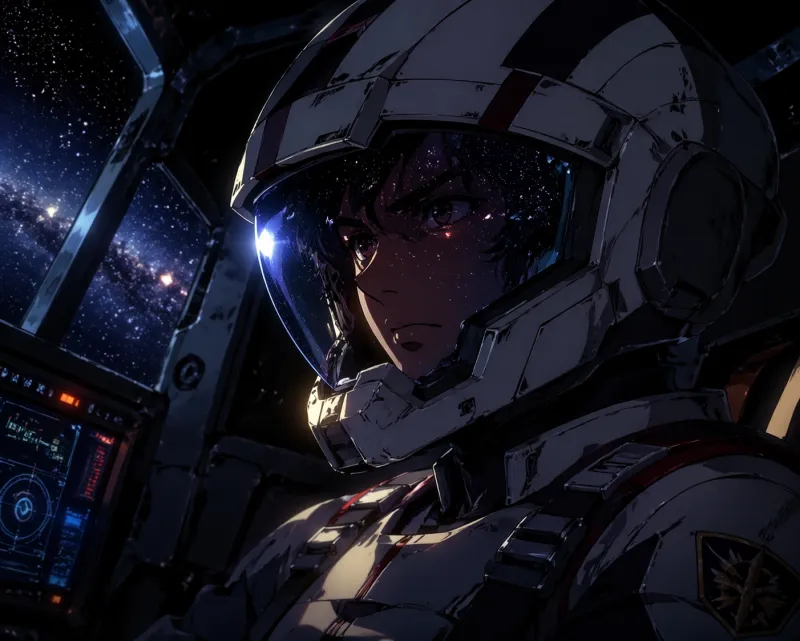
5. Mecha
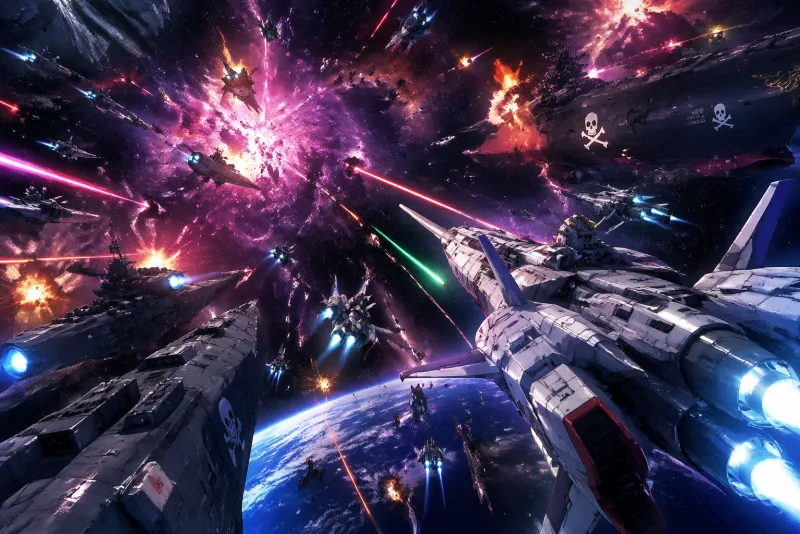
Large mechanical constructs rendered with attention to hydraulics, panel lines, exhaust ports, and structural logic. Detailed designs with accurate joint articulation and material differentiation.
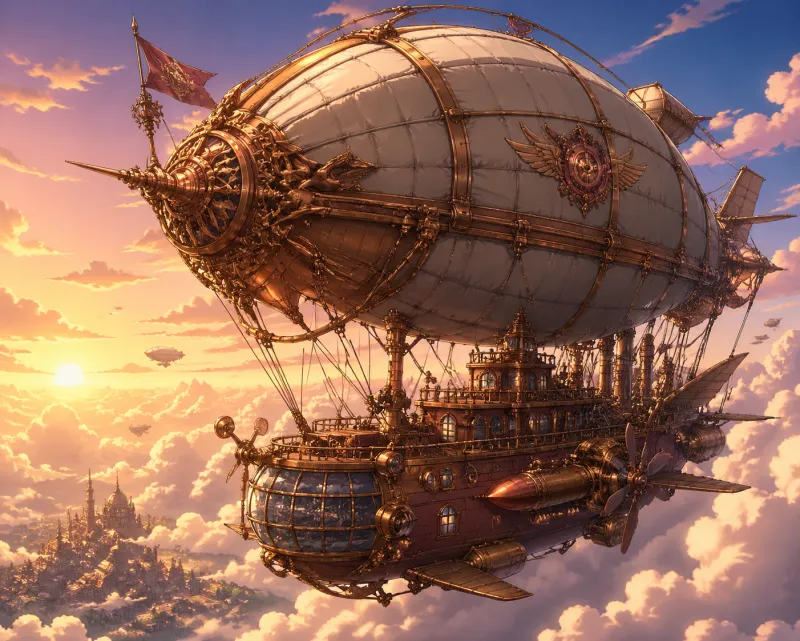
6. Steampunk
Victorian-era visual culture combined with fantastical mechanical engineering. Brass gears, copper pipes, leather goggles, coal-steam power. Imaginative vehicles, weapons, and architecture.
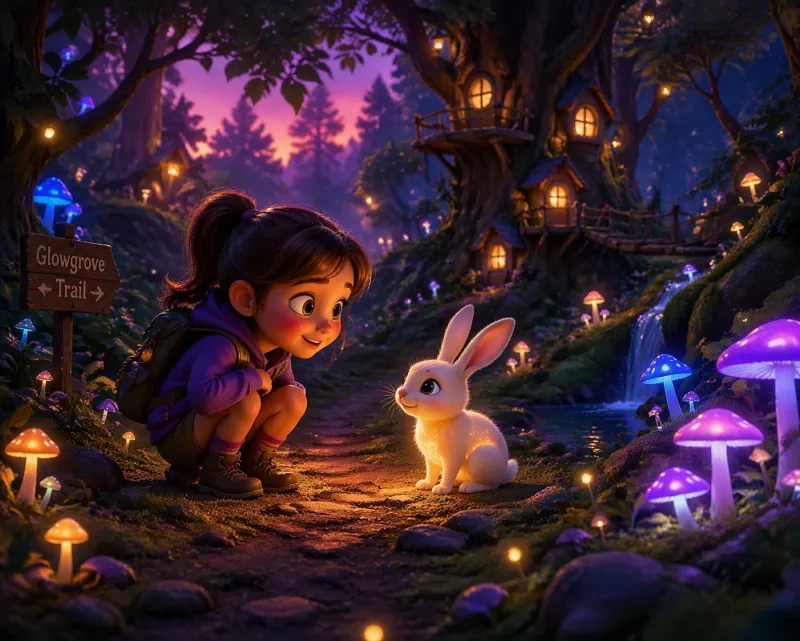
7. 3D Render
Computer-generated imagery in the tradition of Pixar and DreamWorks applied to anime subject matter. Volume, cast shadows, and material texture unavailable in flat 2D illustration.
Action & Drama
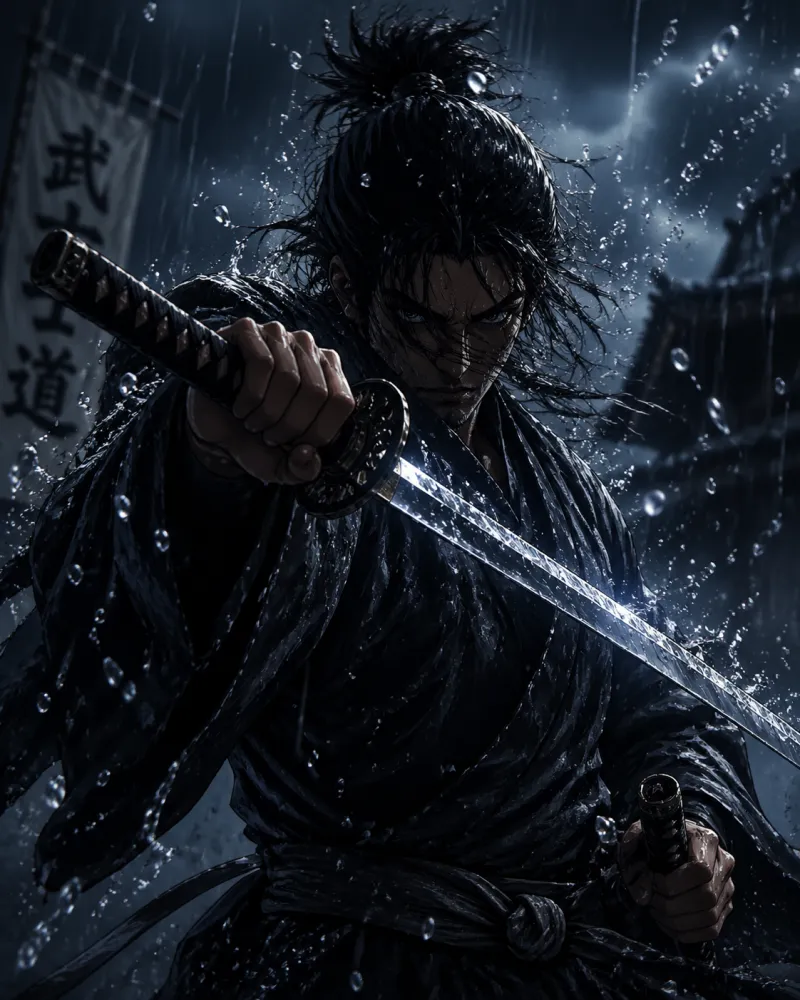
8. Shonen
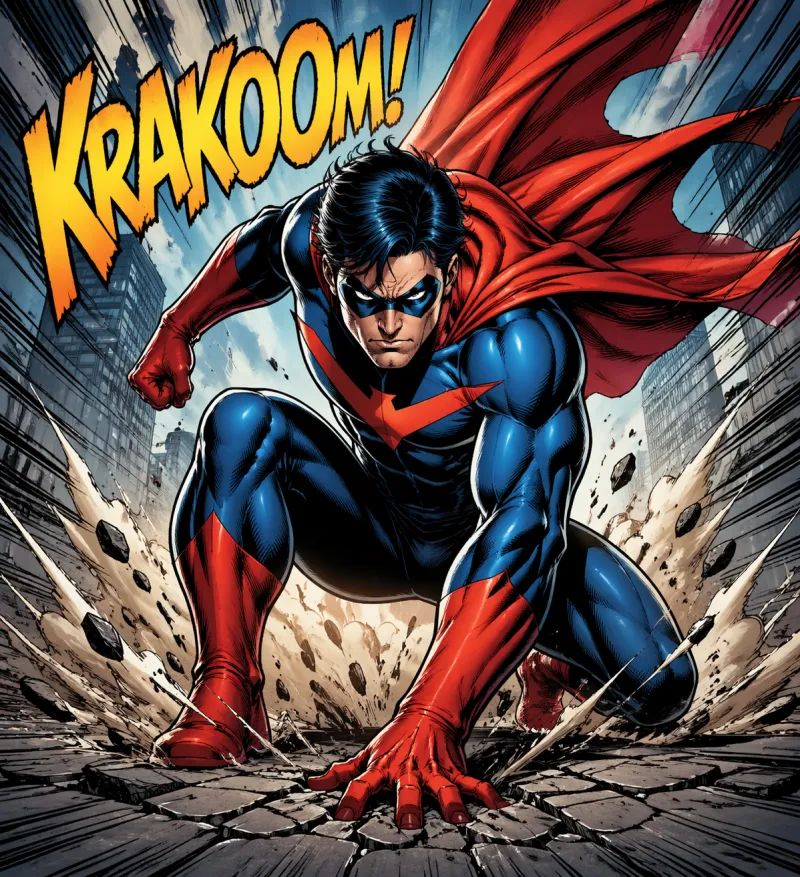
Kinetic energy, emotional intensity, physical power. Speed lines convey motion, aura effects externalize internal states, composition built around peak-moment impact.
9. Manga
Black-and-white print tradition. Without color, manga relies on linework quality, screentone shading patterns, and compositional economy. Panel-ready output with clean ink lines and strong silhouettes.
10. Cinematic
Production design from live-action filmmaking applied to animation. Dramatic motivated lighting, color grading, depth of field, film grain, and director-level composition.
Character-Focused
11. Shoujo
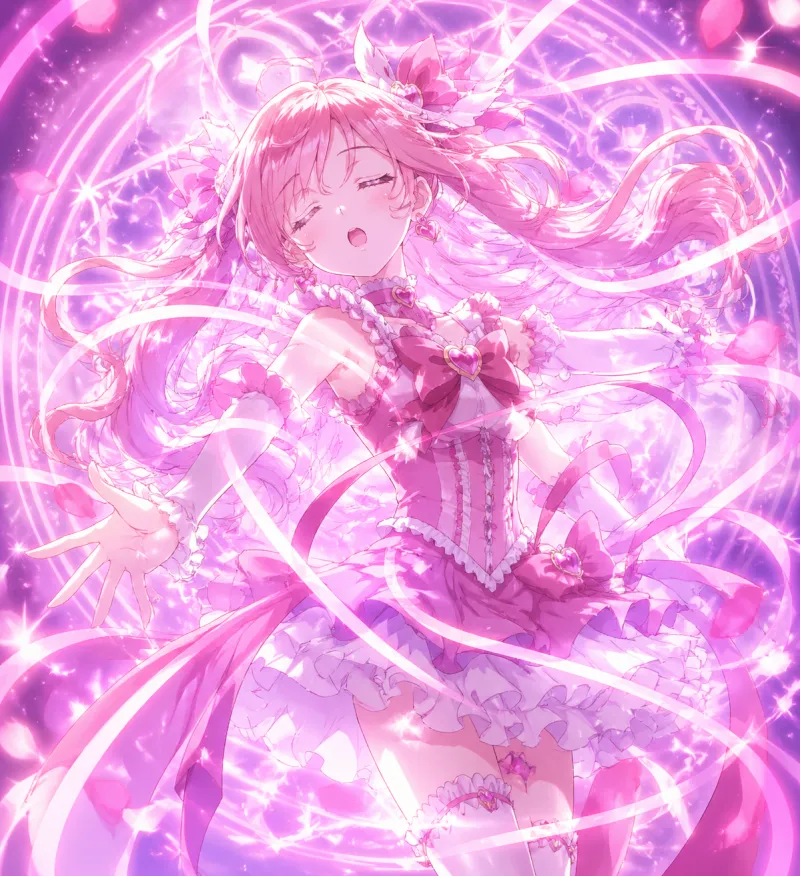
Illustration externalizing emotional states. Oversized eyes with elaborate highlights, backgrounds dissolving into flower fields and sparkles. Romantic, intimate, and decorative.
12. Chibi
Super-deformed proportions: large heads, small bodies, oversized eyes. Unambiguously warm, cute, and accessible. Reads immediately to anyone familiar with anime.
Historical & Cultural
13. Ukiyo-e
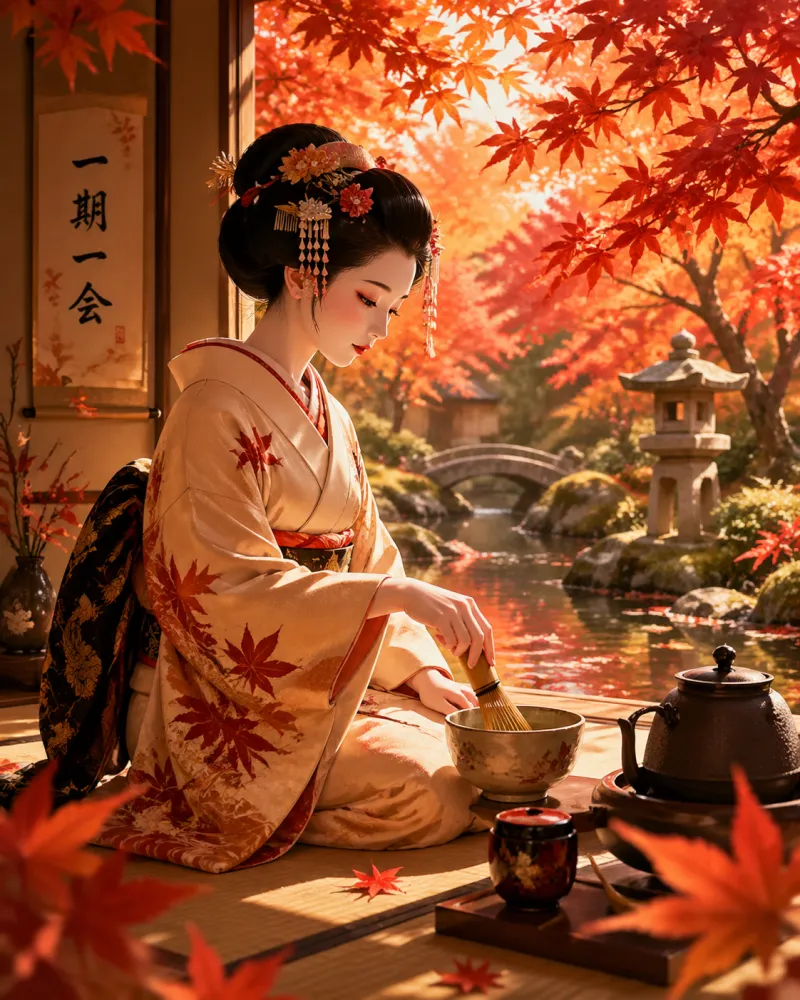
Japanese woodblock print tradition: flat areas of color, strong outlines, stylized natural elements, compositional flatness emphasizing pattern over depth.
Shadow & Atmosphere
14. Noir
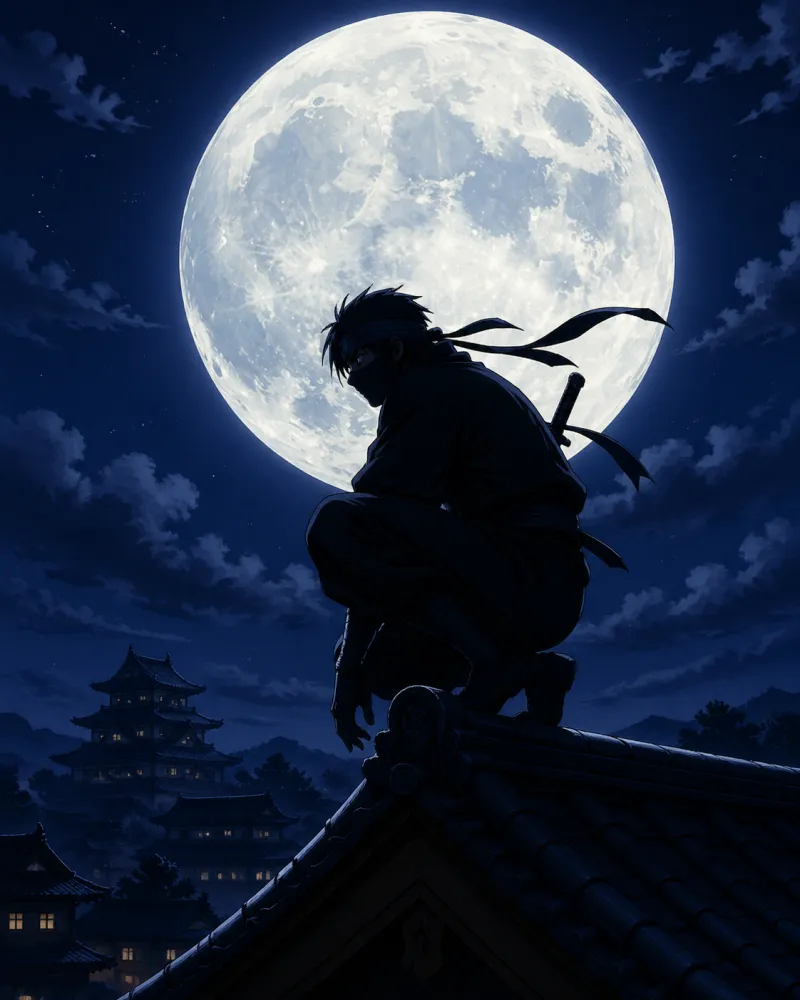
1940s–50s American crime cinema visual tradition: high-contrast chiaroscuro, rain-soaked environments, shadowy figures, pervasive moral ambiguity.
15. Pixel Art
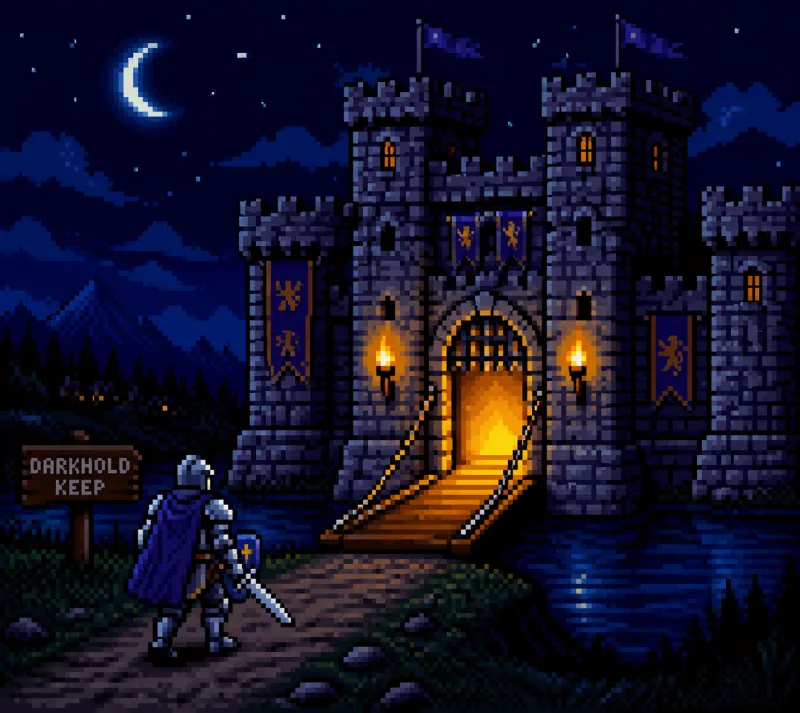
Born from early video game hardware constraints, now an aesthetic in its own right. Visible grid, intentional pixels, limited palette, clean dithering in 16-bit proportions.
Full Comparison
All 15 Styles at a Glance
| Style | Color | Mood | Best Subject |
|---|---|---|---|
| Ghibli | Warm naturalistic | Wonder, warmth | Pastoral scenes, everyday magic |
| Watercolor | Translucent pastels | Nostalgia, softness | Portraits, quiet scenes |
| Minimal | Monochrome or accent | Calm, elegance | Conceptual illustration |
| Cyberpunk | Neon saturation | Tension, energy | Urban sci-fi, night scenes |
| Mecha | Cool metallics | Scale, technical awe | Robots, sci-fi hardware |
| Steampunk | Brass, copper, sepia | Adventure, ingenuity | Airships, inventors |
| 3D Render | Rich, dimensional | Depth, tactility | Character design, architecture |
| Shonen | Bold primaries | Intensity, determination | Battle scenes, power moments |
| Manga | Black and white | Genre-dependent | Comic panels, character sheets |
| Cinematic | Film-graded | Gravitas, spectacle | Title cards, concept art |
| Shoujo | Soft pastels | Romance, longing | Character portraits, emotional scenes |
| Chibi | Bright, saturated | Cuteness, humor | Mascots, reactions |
| Ukiyo-e | Flat woodblock | Cultural resonance | Landscapes, historical scenes |
| Noir | High-contrast B&W | Mystery, unease | Detective scenes, shadow portraits |
| Pixel Art | Limited palette | Nostalgia | Game content, sprites |
How to Choose
Choosing the Right Style
If you are unsure which style fits your subject, consider the emotional register of the scene first.
Explore all 15 styles on Anime AI Generator
All styles are available in every production pack. No style is gated behind a higher tier.
Try all styles nowAnime AI Generator is an independent product, not affiliated with or endorsed by any studio, brand or franchise. Do not generate copyrighted characters or third-party trademarks — you are responsible for how you use the content you create.